Transportation is one of the foundations of a functioning economy. Commercial vehicles move products, support businesses, connect communities, and keep supply chains operating. When one of those vehicles experiences a mechanical problem, becomes disabled, or is involved in a roadside incident, the consequences can extend well beyond the driver. This is where professional towing and recovery services become an important part of the transportation industry.
Through my involvement with Elite Towing in South Carolina, I have developed an appreciation for the role towing businesses play in keeping transportation moving. While many people associate towing with passenger vehicles, commercial towing and recovery involve a different level of planning, equipment, and coordination.
Heavy-duty towing is a specialized area of the industry. It requires an understanding of larger vehicles, their weight and dimensions, the circumstances surrounding each assignment, and the equipment necessary to approach a recovery safely and effectively.
Why Heavy-Duty Towing Matters
Commercial transportation depends on vehicles being available when businesses and customers need them. Trucks transport everything from construction materials and industrial equipment to food, consumer products, and essential supplies. When a commercial vehicle cannot continue its journey, there may be scheduling challenges, delivery delays, and additional logistical considerations.
A heavy-duty towing provider helps address these situations by offering specialized transportation and recovery assistance. The nature of the work depends on the vehicle, its location, the reason it requires assistance, and the conditions surrounding the assignment.
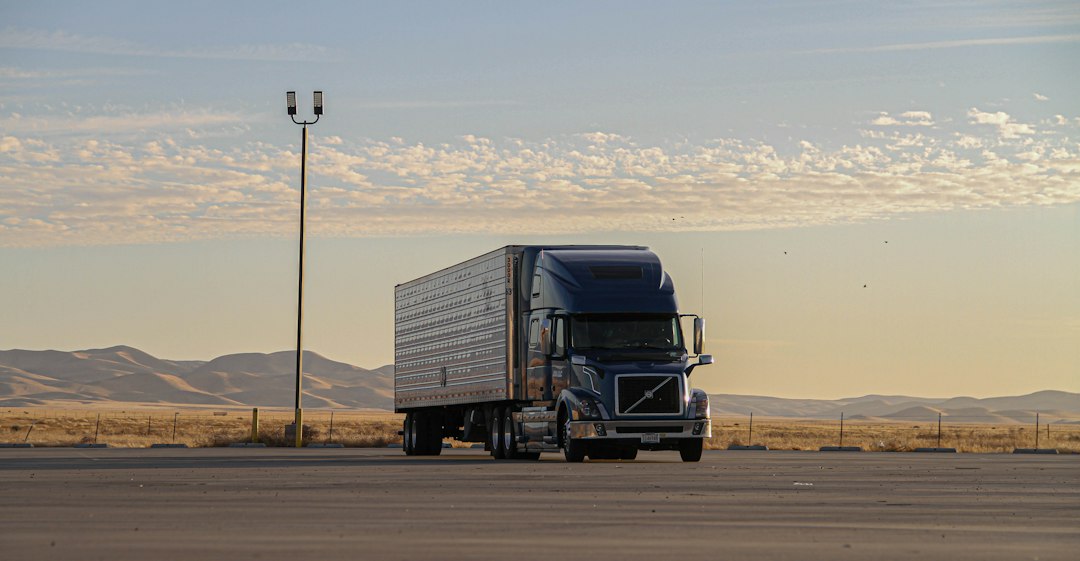
A disabled tractor-trailer, for example, presents different considerations from a passenger vehicle that needs to be moved a short distance. The size of the vehicle, its weight distribution, its position, and the surrounding roadway all influence how the situation should be approached.
Understanding these factors is an important part of professional towing work. It is not simply a matter of connecting a vehicle and moving it. Proper planning and appropriate equipment are essential considerations.
The Equipment and Knowledge Behind Recovery Operations
One of the defining characteristics of heavy-duty towing is the equipment involved. Larger commercial vehicles require equipment designed to accommodate their size and weight. Selecting the appropriate resources is an important part of determining how a recovery assignment can be handled.
There are also practical considerations involving access, positioning, road conditions, and the surrounding environment. A vehicle located on an open roadway may present very different challenges from one positioned in a confined commercial area or along a busy transportation corridor.
I believe it is important for people outside the industry to understand how much coordination can be involved in these situations. The work requires more than having a truck available. It requires an understanding of the assignment and the ability to evaluate what resources and procedures are appropriate.
Professional judgment matters because every recovery situation has its own characteristics. Taking the time to understand those characteristics is part of approaching the work responsibly.
Supporting Commercial Drivers and Fleet Operators
Commercial drivers operate under demanding schedules. Their responsibilities involve transportation deadlines, vehicle maintenance, regulatory requirements, and communication with dispatchers or fleet managers. When an unexpected vehicle problem occurs, they must make decisions while dealing with circumstances that can be stressful and disruptive.
Towing companies become part of that process by helping coordinate the next steps. Clear communication can make a meaningful difference, particularly when a driver needs to understand what assistance is available and what will happen next.
Fleet operators also have an interest in dependable recovery arrangements. A disabled commercial vehicle can affect delivery schedules, equipment availability, and other operational responsibilities. Having access to professional towing resources is one part of managing those unexpected situations.
From a business standpoint, I recognize that towing providers serve an important function within a much larger network. They are connected to drivers, transportation companies, repair facilities, insurance representatives, and other businesses that may become involved when a vehicle requires assistance.
The Importance of Communication and Coordination
Technical ability and appropriate equipment are essential, but communication is equally important in the service industry.
Customers need clear information about the work being requested, the circumstances involved, and the anticipated process. Commercial transportation situations can involve several parties, making it especially important that everyone understands their responsibilities.
I believe professional service starts with listening and understanding what the customer needs. That means recognizing the difference between a straightforward towing request and a more complicated recovery assignment.
Coordination also matters behind the scenes. Scheduling, dispatch, equipment availability, and communication all contribute to how an operation functions. When these elements are managed thoughtfully, the business is better positioned to respond to changing circumstances.
These are important considerations for any towing company working within South Carolina’s transportation industry.
Elite Towing and the South Carolina Business Community
Elite Towing has a history dating back to 2001, establishing a longstanding connection to the towing industry in South Carolina. Based in the Moncks Corner area, the business operates within a region that is connected to a broader network of commercial transportation, local businesses, and growing communities.
South Carolina’s transportation infrastructure supports a wide range of industries. Commercial traffic moves through the state every day, connecting distribution centers, construction projects, manufacturing operations, and retail businesses.
The towing industry is one of the services that supports this activity. While it may not always receive attention when transportation systems are functioning normally, its importance becomes clear when vehicles need assistance.
I believe that understanding this relationship is important when considering the role of a towing business. The work is not isolated from the wider economy. It is connected to the businesses and individuals who depend on transportation every day.
A Changing Industry With Continuing Responsibilities
As commercial vehicles become more sophisticated, towing and recovery businesses must remain attentive to changes in vehicle technology and transportation requirements. Newer vehicles may involve advanced electrical systems, specialized components, and additional considerations during towing and recovery.
The industry must also remain aware of roadway safety, equipment standards, and the importance of appropriate procedures. These responsibilities are part of providing professional services in an environment where circumstances can change quickly.
For me, the value of the towing industry comes from its practical contribution to transportation. It helps address unexpected situations, supports commercial drivers, and provides an important service to businesses that depend on vehicles to operate.
At Elite Towing, I recognize that this industry requires preparation, coordination, and an understanding of the work involved. Heavy-duty towing is a specialized field, and its contribution to South Carolina’s transportation network deserves recognition.